
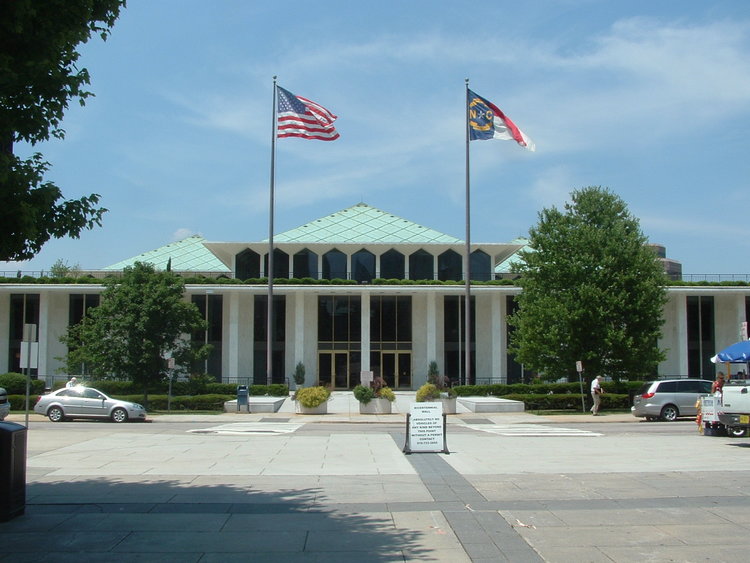

North Carolina was built on a simple but enduring belief: that public service is a responsibility taken up by those who have already proven themselves in the world beyond politics. Ours has always been a citizen legislature, designed not for the career politician but for the public servant, neighbor, the worker, the teacher, the business owner — men and women who enter public life carrying the lessons of a life already lived. That structure wasn’t an accident of history. It was a deliberate safeguard to keep the government grounded in the realities of its people.
Esse Quam Videri (To be , rather than to seem), a motto precious to us all, means in part that it is not what you say but what you have done and do. The best predictor of future performance is past action.
Today, as the pace of politics becomes faster, sharper, and more partisan, we do well to remember why the citizen-legislature tradition worked. It asked that leaders bring to Raleigh not ambition but perspective. Not rhetoric, but judgment. Not theories, but experience. The founders of our state believed that those who know the weight of a tough decision, the cost of a promise, the worth of a conviction not for sale, and the value of community are the ones who can best weigh the impact of every law.
Experience does not make a leader infallible, but it does shape the kind of steadiness public life often demands. Leadership is less about argument and more about understanding — understanding people, pressures, and the long-term consequences of decisions. Those lessons are rarely learned quickly and are never learned in isolation. They come from years of work, responsibility, and engagement with the world beyond the legislative chamber.
As we look toward the future of our state, we should consider the qualities that have always anchored North Carolina’s public life: demonstrated dedication, predictability, humility, steadiness, and service over self. Our history teaches us that those who step forward after building a life of contribution tend to govern with patience rather than impulse or pro-forma, and with perspective rather than ambition. In a citizen legislature, where public service is meant to complement a lifetime of experience rather than replace it, that kind of leadership remains not only valuable — it is essential.